Climb Your Chess Duels Rating
A practical ladder plan: review losses, protect streaks, avoid tilt, and push the leaderboard without burning out.
Climbing in Chess Duels is not a mystery rating ritual. You play rated Bullet, Blitz, or Rapid, you win more than you lose against your pool, and you stop the habits that donate free points. The game gives you a review tool, daily goals, streaks, awards, and a global leaderboard. This guide turns those systems into a climb plan you can repeat every week. Read it with Time Controls, Puzzles and Lessons, and the Players Hub so mode choice, training, and competition stay aligned.
Pick one ladder to push
You have three rated numbers. Pushing all three at once splits focus and muddies feedback. Choose a primary ladder for two to four weeks:
- Rapid if you want the truest chess improvement and cleaner reviews
- Blitz if you want the best mix of volume and real calculation
- Bullet if your tactics are already sharp and you specifically want the speed ladder
Secondary modes become training tools, not emotional scoreboards. A Bullet warm-up before Blitz climb sessions is fine. Rage-queueing Bullet after a Rapid loss is not a plan. Details on mode personality live in the Time Controls guide.
The post-loss review ritual
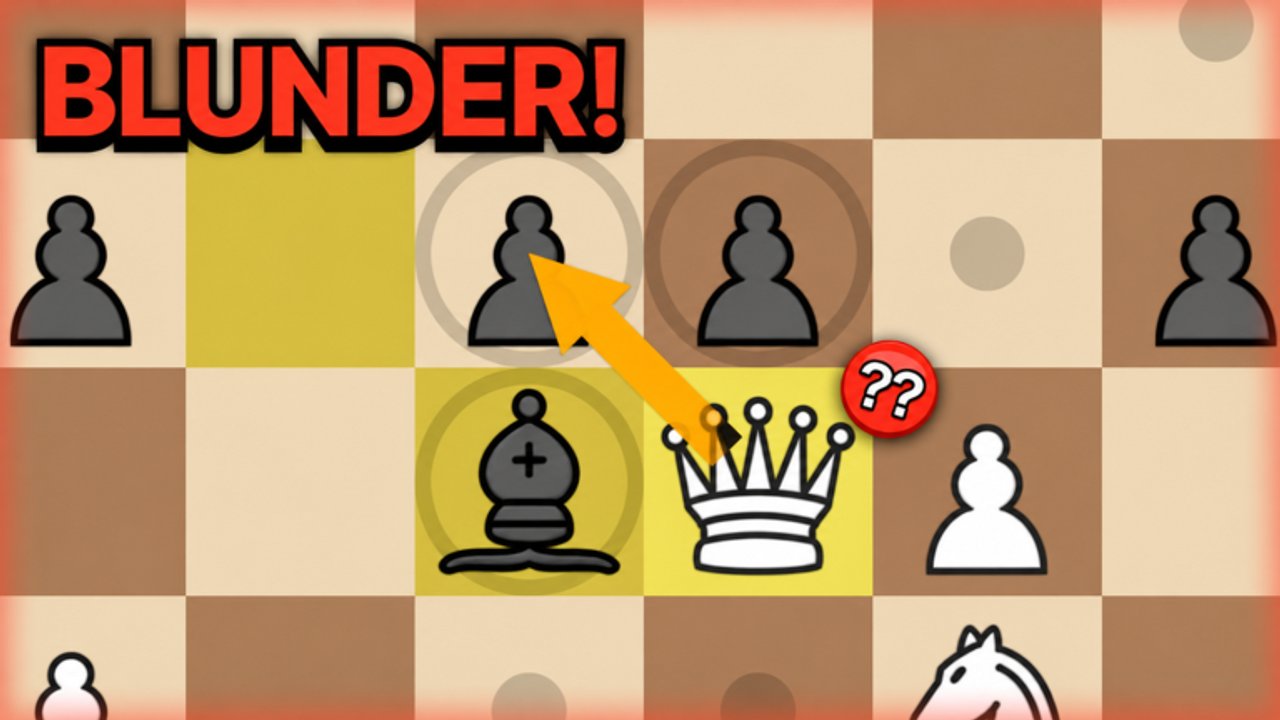
Chess Duels includes a review tool after games. Use it when it hurts—after losses—more than after pretty wins.
Minimum ritual (five to eight minutes):
- Find the first moment the evaluation swung hard against you (or where you knew you blundered).
- Name the error in plain language: missed hang, wrong capture, ignored check, bad trade, flag panic.
- Ask whether the miss was opening knowledge, tactics, time management, or tilt.
- Queue the matching fix: a short lesson, ten themed puzzles, or a break—not an instant rematch.
Skip the ritual only when the loss was a pure mouse slip in Bullet and you already know the input mistake. Even then, take one breath before requeueing.
Wins deserve a lighter pass: bookmark one nice idea you want to repeat. Do not burn your study energy congratulating yourself for opponent blunders.
Streaks, daily goals, and awards
Streaks and daily goals are motivational scaffolding. They should support the climb, not override it.
Good use
- Clear the daily puzzle / goal before rated play so you enter warm
- Protect a streak with a short puzzle session on busy days instead of forcing tilted Bullet
- Collect awards as side progress while you focus on rating quality
Bad use
- Playing “one more” lost cause at 2 a.m. to keep a number green
- Switching to a mode you hate just because a goal counts any match
- Ignoring review because goals already feel complete
Coins from goals also fund cosmetics. Buy boards and trails when you want—they are visual only and do not change matchmaking. Never confuse shop progress with ladder progress.
Avoiding tilt on purpose
Tilt is the silent rating tax. Chess Duels rematches are fast, which makes tilt expensive.
Hard rules that work for most players:
- Stop after two losses in a row in your primary mode
- Stop after any loss where you felt angry before move ten
- Cap sessions (for example, 60–90 minutes of rated) even when you are winning
- Change activity, not just playlist. Puzzles, a lesson, a walk, or closing Roblox beats “one more Blitz”
If you break a rule, write it down. Awareness turns a vague bad night into a fixable process error. Players who climb steadily treat tilt control as a skill equal to tactics.
Opening and time-management strategy for climbs
During a climb patch:
- Play two openings as White and two defenses as Black—no more until your rating stabilizes
- Prefer practical lines from the Tier List Hub over sharp theory you only half remember
- In Blitz and Bullet, spend time on the first out-of-book fight, not on move-three perfection
- In Rapid, keep a time reserve for the endgame; many climbs die by flagging a won rook ending
When you lose from the opening twice the same way, that is a lesson assignment, not a vibes problem. Open Puzzles and Lessons, drill the theme, then return.
Leaderboard mindset
The global leaderboard rewards peak performance and volume at high ratings. Chasing it too early creates smurf habits and misery. Use this ladder of goals instead:
- Personal best in one mode
- Stable rating band (fewer wild swings)
- Positive score across a 20-game sample
- Local friend / club bragging rights
- Global leaderboard push only when your primary rating is already competitive
Watch strong names on the Players Hub for inspiration, not for panic. Copy their time-control focus and review discipline before you copy their sharpest openings.
A weekly climb template
Three climb days
- Puzzle warm-up (10 minutes)
- Primary mode block with a two-loss stop
- Review every loss; optional light review of one win
Two training days
- Lessons + themed puzzles
- One or two Rapid games for application if Blitz/Bullet is your climb mode
One reset day
- Cosmetics browsing, casual games, or full off day
- Protect sleep; rating loves a rested mouse hand
New accounts should complete Getting Started basics, redeem any active codes, and spend the first week establishing the review habit before worrying about leaderboard names.
Metrics that matter
Track for twenty games in your primary mode:
- Score (wins minus losses, or win rate)
- Blunders you can name in review
- Games aborted by tilt rules (that count as discipline wins)
- Whether openings repeated the same failure
If win rate is fine but rating falls, you may be beating lower ratings and losing to peers—tighten openings and endgames. If rating rises but you feel worse, check session length; exhaustion climbs are fragile.
What does not climb your rating
- Buying piece sets, boards, trails, capture effects, or frames
- Spam-queuing while angry
- Hopping modes every game to chase a “lucky” pool
- Memorizing ten openings with no puzzle fitness
- Ignoring the review tool because the next queue is already up
Chess Duels is still chess. The Roblox wrapper adds cosmetics, goals, and leaderboards, but the climb formula stays familiar: fewer blunders, better time use, honest review, and emotional control. Run that loop for a month and your primary rating will move. When it stalls, change one variable—mode volume, repertoire, or puzzle theme—not everything at once.
Keep the plan boring on purpose. Boring processes produce loud rating graphs.
Frequently Asked Questions
Quick answers to common Chess Duels questions.
How many rated games should I play per climb session?
Play until you hit a time cap or two losses in a row—whichever comes first. Quality beats marathon queues.
Should I review wins or only losses?
Prioritize losses for the critical mistake. Skim wins for one repeatable idea so review time stays efficient.
Do daily streaks raise my Chess Duels rating directly?
No. Streaks and goals support habits and rewards. Ratings change from rated Bullet, Blitz, and Rapid results.
Is the global leaderboard realistic for new players?
Not at first. Aim for personal bests and stable samples, then push leaderboard goals when your main ladder is already strong.
What is the fastest way to stop a rating nose-dive?
Stop playing. Review one loss, solve themed puzzles, and return the next day in your primary mode only.